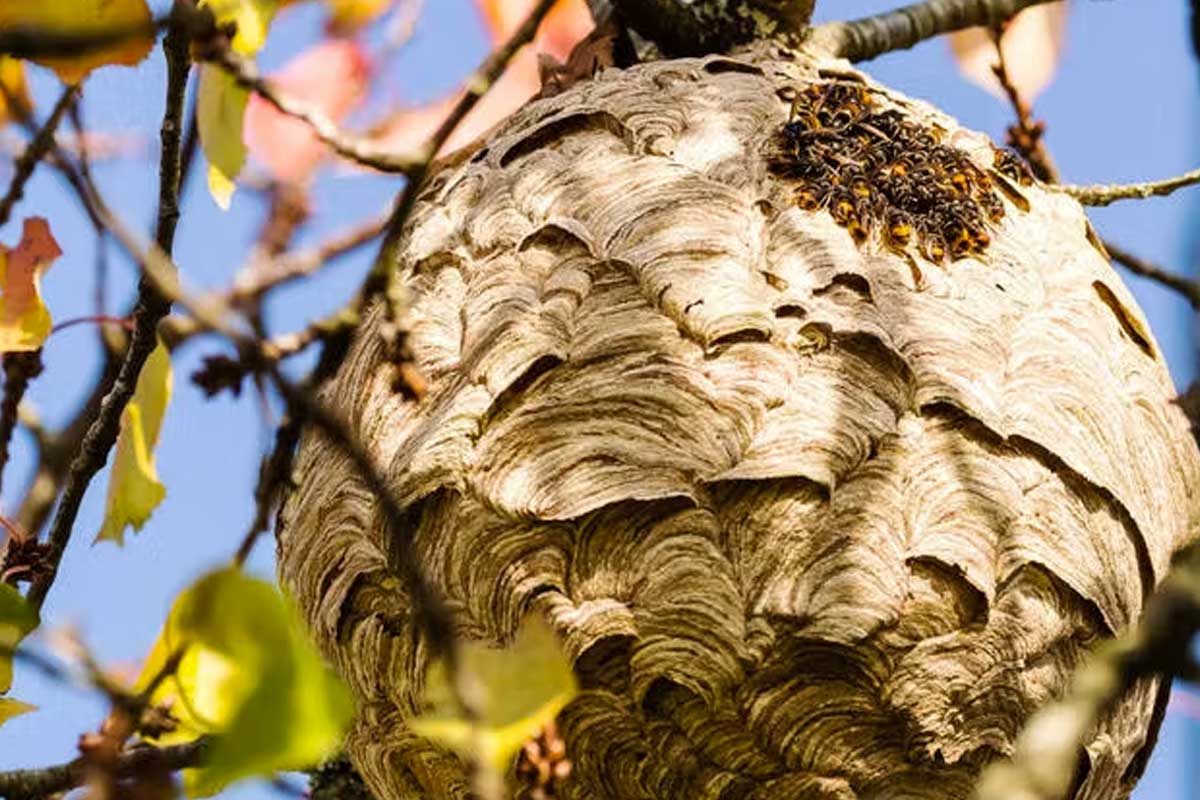
The Silent Scourge: Protecting Your Bees from Asian Hornets with DIY Traps
The drone of honeybees, a sound synonymous with pollination and nature's bounty, is increasingly threatened by an unwelcome invader: the Asian hornet (
Vespa velutina nigrithorax). These formidable predators, known locally in France as *frelons asiatiques*, pose a severe danger to apiaries, capable of decimating bee colonies with alarming speed. For beekeepers and environmental enthusiasts alike, particularly in regions like Picardie where the threat is acutely felt, understanding and combating this pest is paramount. This article delves into the urgency of the situation and empowers you with practical, DIY trapping methods to safeguard our precious pollinators.
The Alarming Resurgence of the Asian Hornet Threat in Picardie
Across France, and particularly within the rich agricultural landscapes of Picardie, the *frelons asiatiques* have established a concerning foothold. Their presence is a growing nightmare for beekeepers. Unlike their native European counterparts, Asian hornets exhibit a particularly aggressive "hawking" behavior, hovering menacingly outside beehives, snatching bees as they enter or exit. A single hornet can kill dozens of bees in a day, and a persistent attack can stress an entire colony to the point of collapse, leading to significant economic losses for beekeepers and a critical blow to local biodiversity.
The urgency of this threat has prompted a powerful call to action from professional apiarists. Jean-Yves Toinard, a seasoned beekeeper from Saillenard, has become a vocal advocate for community mobilization against these pests. He emphasizes that this isn't solely a beekeeper's battle; it requires the collective effort of every citizen to mitigate the impact. The window for effective action is often in early spring, targeting founding queens before they establish new nests, and again in late summer/early autumn when worker populations peak. The situation for *frelons asiatiques Picardie* is critical, making local initiatives and widespread participation essential. Understanding their life cycle and predatory habits is the first step towards an effective defense strategy.
Why DIY Traps Are a Crucial First Line of Defense
While professional pest control can manage established nests, individuals can play a vital role in preventing their formation and reducing hornet populations through strategic trapping. DIY traps offer an accessible, cost-effective, and empowering solution that anyone can implement. These traps, when designed and baited correctly, can be surprisingly effective in capturing Asian hornets without posing a significant risk to other beneficial insects.
The beauty of DIY traps lies in their simplicity and the utilization of readily available materials. By transforming common household items into hornet-catching devices, you contribute directly to the wider effort to protect local bee populations and ecosystems. Deploying traps proactively, especially during the crucial spring period when queen hornets emerge from hibernation to establish new colonies, can significantly reduce the season's hornet population. Moreover, an informed approach to trapping emphasizes selectivity, ensuring that our efforts target the intended pest while minimizing impact on non-target species. This community-led approach, championed by figures like Jean-Yves Toinard, is vital for managing the *frelons asiatiques* challenge across Picardie and beyond.
Crafting Your Own Highly Effective Asian Hornet Trap: A Step-by-Step Guide
Building an Asian hornet trap is surprisingly simple, requiring minimal materials and effort. The most common and effective design utilizes recycled plastic bottles. Here’s how you can make one:
1.
Gather Your Materials:
* One or two large plastic bottles (1.5 to 2-liter soft drink bottles work perfectly).
* A sharp utility knife or scissors.
* A drill or small knife for making additional holes.
* Wire or string for hanging.
2.
Prepare the Bottle:
* Take one plastic bottle. Approximately one-third of the way down from the top, carefully cut the bottle horizontally. You'll end up with two main pieces: a top section (including the bottleneck) and a larger bottom section.
* Invert the top section (the one with the bottleneck) and place it upside down into the larger bottom section. The bottleneck should now point downwards, creating a funnel into the trap.
* Ensure the inverted top section fits snugly into the bottom. If it's loose, you might need to make small cuts around the edge of the bottom section or secure it with tape, though a snug fit is usually sufficient.
3.
Create Entry and Exit Holes (Critical for Selectivity):
* On the side of the larger bottom section (below where the inverted top piece sits), drill or cut several small holes. These holes are crucial for allowing smaller, beneficial insects like bees to escape, while trapping the larger Asian hornets.
*
Optimal Hole Dimensions: Aim for circular holes with a diameter of about 4.5 to 5 mm (approx. 0.18 to 0.20 inches). Asian hornets are generally too large to fit through these comfortably, while smaller insects can find their way out. Make 3-4 such holes around the circumference.
* You can also create a few larger entry holes (around 8-10mm) specifically at the very top edge of the lower section, just above the funnel, to encourage hornets to enter more easily. However, ensure the smaller escape holes are still present below these.
4.
Add Hanging Mechanism:
* Punch or drill two small holes near the top edge of the entire assembled trap, on opposite sides. Thread wire or string through these holes to create a hanger.
The Irresistible Bait: Jean-Yves Toinard's Secret Recipe (and Variations)
The effectiveness of any trap hinges on its bait, and Jean-Yves Toinard, with his deep understanding of *frelons asiatiques Picardie*, has shared a highly successful formula. His recommended concoction is simple yet potent:
*
Beer: A good base that provides fermentable sugars and appealing aromas.
*
White Wine: The alcohol and acidity act as additional attractants, and crucially, deter bees. Bees are generally averse to alcohol.
*
Blackcurrant Syrup (Sirop de Cassis): This adds a strong, sweet, fruity aroma that Asian hornets find irresistible.
Mixing the Bait:
Jean-Yves suggests a balanced mix: approximately 1/3 beer, 1/3 white wine, and 1/3 blackcurrant syrup. Pour about 10-15 cm (4-6 inches) of this mixture into the bottom of your assembled trap. The fermentation of the beer, combined with the sweetness of the syrup and the deterrent properties of the wine, creates an enticing yet selective lure.
Why this combination works:
Asian hornets are primarily attracted to sweet, fermenting substances. The alcohol in the beer and white wine adds to the allure for hornets, while the wine also serves as a mild repellent for bees, making the trap more selective. Blackcurrant syrup provides a powerful, long-lasting scent trail.
Variations and Enhancements:
While Jean-Yves’s recipe is highly effective, you can experiment with slight variations:
*
Sweetened Beer: Some add a tablespoon of sugar or honey to flat beer.
*
Fruit Juice: Fermented fruit juice (e.g., apple or pear) can replace or supplement the syrup.
*
Dark Beer: Some beekeepers find that darker, richer beers enhance the attraction.
*
Vinegar (in small amounts): A tiny splash of cider vinegar can sometimes boost attraction while further deterring bees. However, use sparingly to avoid repelling hornets.
Remember, the goal is a balance of sweetness, fermentation, and a bee-deterring element. For more in-depth bait recipes and considerations, you might find valuable insights in this related article:
Best Asian Hornet Bait: Craft Your Own Effective Trap Mix.
Maximizing Your Trap's Effectiveness and Protecting Local Ecosystems
Simply setting up a trap isn't enough; strategic placement, regular maintenance, and an understanding of hornet behavior are key to maximizing its efficacy and minimizing non-target captures.
1.
Optimal Placement:
*
Near Hives: If you're a beekeeper, place traps strategically around your apiary, but not directly touching the hives. A distance of 5-10 meters is often recommended.
*
Foraging Areas: Hornets hunt where bees forage. Position traps near flowering plants, fruit trees, or any areas where you observe significant bee activity.
*
Sunny, Sheltered Spots: Warm, less windy locations are generally more active for hornets.
*
Around Nests (if known): If you suspect or have located a hornet nest, placing traps in the vicinity can help reduce the number of foraging workers.
2.
Maintenance and Monitoring:
*
Regular Checks: Inspect your traps every 2-3 days.
*
Refill Bait: The bait will evaporate or be consumed. Keep it topped up to maintain its attractive power.
*
Empty Contents Safely: Once hornets are captured, they will eventually drown in the bait. When emptying, do so cautiously. Wear gloves and ensure any live hornets are incapacitated before disposal. A quick way to ensure all hornets are dead is to place the entire trap in a freezer for an hour before emptying. Dispose of dead hornets and old bait responsibly.
*
Clean Traps: Periodically clean the traps to prevent mold or other undesirable substances from forming.
3.
Ensuring Selectivity:
*
The 4.5-5mm Rule: Adhere strictly to the recommended hole sizes for bee escape. This is the single most important factor for selective trapping.
*
Avoid Honey/Pure Sugar Water: While attractive to hornets, these baits are also highly attractive to bees and can compromise selectivity. Stick to the fermented, wine-based mixtures.
*
Timing is Key: In early spring, when queen hornets emerge, deploy traps. In late spring/early summer, when bees are most active and hornets are still building their nests, you might reduce trapping to minimize risk to beneficial insects. Reintroduce traps more widely in late summer and autumn when hornet populations are at their peak and pose the greatest threat to established bee colonies.
*
Report Sightings: If you observe a large number of *frelons asiatiques* in your traps or spot a nest, report it to your local beekeeping association, municipality, or relevant environmental authorities, especially in a region like Picardie where coordinated action is vital. They can provide guidance on nest removal, which should always be handled by professionals due to the danger involved.
By actively participating in this defense strategy, you contribute directly to the health of your local ecosystem and support the beekeeping community struggling against the *frelons asiatiques* in Picardie. The call for mobilization is not just for beekeepers but for every citizen, as highlighted in this complementary resource:
Mobilize Against Asian Hornets: Easy Trap for Bee Protection.
Conclusion: A Collective Stand Against the Asian Hornet
The battle against the Asian hornet is a marathon, not a sprint, and it requires sustained, collective effort. The threat posed by *frelons asiatiques* to beekeepers and the environment, particularly in regions like Picardie, cannot be overstated. By mastering the simple art of DIY trap construction and deployment, you become an active participant in protecting our vital pollinators. Remember Jean-Yves Toinard’s call to action: "mobilization of all." Each trap set, each hornet caught, is a small but significant victory in safeguarding our bees and preserving the delicate balance of our natural world. Let's stand together, armed with simple bottles and effective bait, to ensure the continued buzz of healthy bee colonies for generations to come.