Mobilize Against Asian Hornets: Easy Trap for Bee Protection
The buzzing silence is a nightmare for beekeepers and a concerning sign for biodiversity. The Asian hornet, or *Vespa velutina nigrithorax*, is not merely a nuisance; it's an invasive predator systematically decimating honeybee populations across Europe. From its initial foothold, this unwelcome invader has spread relentlessly, establishing a strong presence in various French regions, including the verdant landscapes of Picardie. As spring awakens, so too does the threat, with queen hornets emerging from hibernation to establish new colonies, making this a critical period for intervention. Protecting our precious pollinators requires a collective effort, and thankfully, an effective, easy-to-implement solution is within reach for everyone.
Professional beekeepers, like Jean-Yves Toinard from Saillenard, are sounding the alarm and demonstrating simple yet powerful strategies to combat this ecological menace. His call for widespread mobilization underscores the urgency: every individual can play a vital role in safeguarding our bee populations. By learning to construct and deploy an easy, homemade trap, we can significantly limit the Asian hornet's impact, especially during these crucial early months when a single queen caught can prevent the emergence of thousands of future predators.
The Growing Menace of the Asian Hornet (Vespa Velutina)
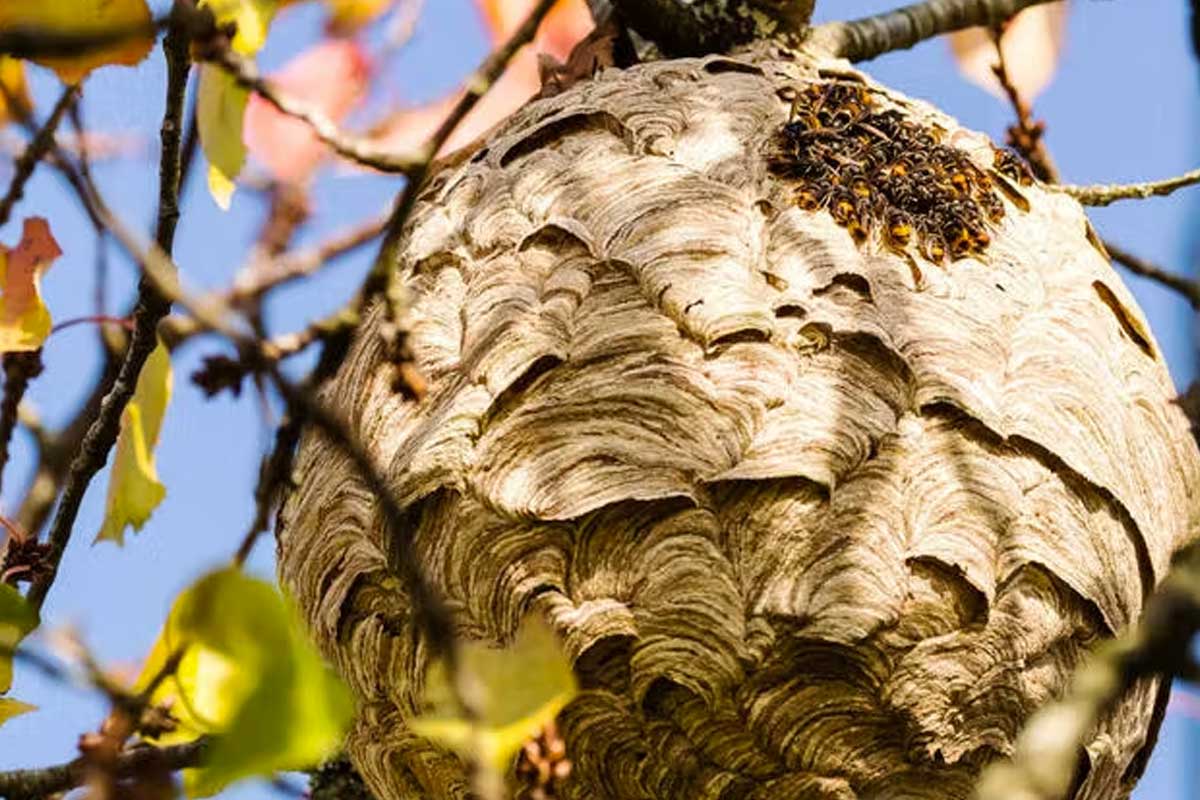
The Asian hornet is an invasive species, visually distinct from its European counterpart by its darker body, yellow-tipped legs, and an orange band on its abdomen. Introduced accidentally to France around 2004, it has since spread at an alarming rate, posing a significant threat to native ecosystems. Its primary target: honeybees. Asian hornets are formidable predators that hover outside beehives, capturing foraging bees returning with pollen and nectar. A single hornet can decimate a colony, leading to stress, reduced foraging activity, and ultimately, the collapse of entire bee populations.
The impact extends beyond beekeeping. Honeybees are crucial for pollinating a vast array of crops and wild plants, making them fundamental to our food security and biodiversity. The decline of bee populations due to predators like the Asian hornet has cascading effects throughout the ecosystem, affecting everything from fruit yields to the survival of wildflowers.
In regions across France, including Picardie, the presence of *frelons asiatiques* has become a significant concern for local authorities, agricultural communities, and environmental groups. The Picardie region, with its diverse agricultural landscape and natural habitats, offers fertile ground for these hornets to establish themselves, putting local apiaries and natural pollinator populations at severe risk. Understanding the enemy is the first step towards effective defense, and early trapping is identified as the most impactful strategy.
A Call to Arms: Why Mobilization is Crucial in Regions Like Picardie
The battle against the Asian hornet cannot be fought by beekeepers alone. Jean-Yves Toinard's passionate appeal for universal mobilization highlights a critical truth: invasive species control requires a community-wide response. During early spring, from February to May, hibernating queen hornets emerge to search for food and suitable locations to build their primary nests. Each queen captured during this period represents a prevented colony of potentially thousands of hornets later in the season. This makes early-season trapping an incredibly high-leverage activity.
For communities in Picardie and other affected areas, collective action is not just beneficial; it's essential. Local initiatives, garden enthusiasts, farmers, and even schoolchildren can contribute significantly by setting up traps in their gardens, balconies, or public spaces. This widespread deployment maximizes the chances of catching queens before they establish their nests, effectively nipping the problem in the bud. Imagine the collective impact if every household in a village or town in Picardie deployed just one or two traps. The number of queens intercepted could be staggering, drastically reducing the predatory pressure on local bee populations.
Beyond trapping, mobilization also involves awareness. Educating neighbors, friends, and local communities about the threat and the simple solutions empowers more people to act. Local councils and environmental groups in Picardie can play a vital role in disseminating information and coordinating regional trapping efforts, transforming individual actions into a powerful, synchronized defense.
Crafting Your Easy DIY Asian Hornet Trap: A Step-by-Step Guide
One of the most encouraging aspects of combating the Asian hornet is the simplicity and effectiveness of DIY traps. You don't need expensive equipment; a common plastic bottle and a specific bait mixture are all it takes. Jean-Yves Toinard demonstrates how quickly and easily these traps can be made, making them accessible to everyone.
Materials You'll Need:
- A plastic water or soda bottle (1.5L or 2L works well)
- A sharp knife or scissors
- Stapler or strong tape (optional, for securing the inverted top)
- Wire or string (for hanging)
- The bait mixture:
- 1/3 volume beer (preferably dark beer, as it’s less attractive to bees)
- 1/3 volume white wine (helps repel bees)
- 1/3 volume blackcurrant syrup (or grenadine, provides the sweet attractant)
Step-by-Step Construction:
- Prepare the Bottle: Using your knife or scissors, carefully cut the top third of the plastic bottle, just below the neck.
- Invert the Top: Flip the cut-off top section upside down and insert it into the bottom part of the bottle, creating a funnel shape. The bottle opening now acts as the trap entrance.
- Secure the Funnel (Optional but Recommended): For added stability, you can staple or tape the inverted top to the bottom section. This prevents it from falling out if the trap is moved or knocked.
- Pour the Bait: Fill the bottom of the trap with approximately 10-15 cm (4-6 inches) of the bait mixture. The specific ratio of beer, white wine, and blackcurrant syrup is key. The beer provides a fermented scent, the wine helps deter honeybees and other non-target insects (who are often sensitive to alcohol), and the blackcurrant syrup provides a strong sweet attractant for hornets. For more detailed information on crafting the perfect bait, you might find valuable insights in our article on Best Asian Hornet Bait: Craft Your Own Effective Trap Mix.
- Create Hanging Holes: Punch two small holes near the top edge of the main bottle section, opposite each other. Thread a piece of wire or string through these holes to create a hanger.
For a more comprehensive understanding of different DIY trap designs and advanced tips, consider reading
Asian Hornet Threat: Master DIY Traps to Protect Your Bees.
Best Practices for Effective Trapping and Hornet Control
Building the trap is only half the battle; effective deployment and maintenance are crucial for success.
Placement is Key:
- Near Hives: If you're a beekeeper, place traps strategically around your apiary. This helps intercept hornets before they reach your bees.
- Gardens and Orchards: For homeowners, position traps in your garden, especially near flowering plants, fruit trees, or compost heaps where hornets might forage.
- Sunny and Sheltered Spots: Choose locations that receive some sunlight to help the bait ferment and release its scent, but also offer some shelter from strong winds or direct heavy rain.
Maintenance and Safety:
- Regular Checks: Check your traps every few days. The bait mixture will evaporate and degrade, especially in warm weather. Refill or replace the bait as needed.
- Disposal: When disposing of caught hornets, ensure they are dead. You can place the sealed trap in a freezer for an hour or two before opening and emptying. Dispose of dead hornets responsibly, and clean the trap before refilling.
- Safety First: Asian hornets can sting repeatedly and their sting is painful. Always approach traps with caution. Wear gloves and protective eyewear, especially when emptying or refilling.
Ethical Trapping and Bycatch:
While the recommended bait mixture is designed to be less attractive to bees, it's not entirely species-specific. To minimize bycatch of non-target insects:
- Small Escape Holes: Consider drilling a few very small holes (around 4-5 mm diameter) near the top of the bottle's main body. This allows smaller insects like flies, moths, or even smaller bees to potentially escape, while still trapping larger hornets.
- Monitor and Adjust: Observe what you're catching. If you notice a significant number of non-target insects, consider refining your bait or trap placement.
- Seasonal Trapping: Focus trapping efforts primarily in early spring (for queens) and late summer/early autumn (when hornet predation on hives peaks). Avoid trapping when hornets are less active, reducing unnecessary bycatch.
Beyond Trapping:
Trapping is an excellent preventative measure, especially against queen hornets. However, it's also important to report sightings of *frelons asiatiques* nests to local authorities or designated reporting platforms in your region (e.g., local town hall, pest control services in Picardie). Professional intervention is often required to safely remove nests, which can grow to considerable sizes and pose a danger.
Conclusion
The Asian hornet represents a clear and present danger to our precious pollinators and the delicate balance of our ecosystems. Yet, it is a threat we can collectively confront with simple, effective actions. The call for mobilization, echoed by experts like Jean-Yves Toinard, is a powerful reminder that every individual has a part to play. By understanding the threat, learning to construct an easy DIY trap with the recommended bait of beer, white wine, and blackcurrant syrup, and adhering to best practices, we can significantly mitigate the impact of *frelons asiatiques* in regions like Picardie and beyond. This spring, let us arm ourselves with a plastic bottle and a purposeful spirit, mobilizing against this invasive predator to protect our bees and secure a healthier future for our environment. Your participation, no matter how small, makes a world of difference.